Climate Change and the Preservation of African Historical Sites

Updated: May 3
SUMMARY: As African tourism flourishes into a billion-dollar venture, the threat posed by climate change and the devastating effects it will have on both vulnerable populations and World Heritage Sites should be a concern not only of the scientific community but also of those who both travel and invest in the industry.

It is the movement of people from their native/resident country to parts of Africa to explore and study the most sought-after historical and artistic sites. As many major African cities have experienced urbanization within the past 15 years and onward, many government officials are looking to the tourism sector to diversify their economies and as a way to place Africa as a viable player in various sectors of the global market.

Whether for pleasure or commercial purposes, traveling to the African continent will undoubtedly contribute to local and national growth. The wealth of many parts of the continent can be found in a country’s physical landscape and people. Both natural and artificial sites have been praised for their significant value in preserving cultural identities and human values. Protecting over 100 buildings and natural sites, also termed World Heritage Sites (WHS) by the United Nations Educational, Scientific, and Cultural Organization (UNESCO), should be a priority in the discussion on the effects of climate change in Africa.

The devastating effects and struggle to adapt to severe floods, drought, landslides, and severe heat waves as direct and long-term effects of climate change for the already vulnerable parts of Sub-Saharan Africa have cast serious concerns, particularly for already vulnerable populations who already have limited to no access to natural resources in addition to economic challenges that plague the government as a result. The science community, government bodies, Non-Governmental Organizations (NGOs), and entities like the United Nations (UN) have long been issuing grave and dire warnings about the cost humanity will pay as a result of climate change and the increase of severe weather patterns if net carbon emissions are not reduced.
The United Nations’ Sustainable Development Goals call for Climate Action as goal number 13 to strengthen sustainable development practices globally. Climate change poses many challenges to the agricultural sector, Africa’s World Heritage Sites, and other historical artifacts and structures. Research-backed actions must be taken to strengthen and protect historical structures and sites. WHS on the continent and the people who maintain them are worth protecting.
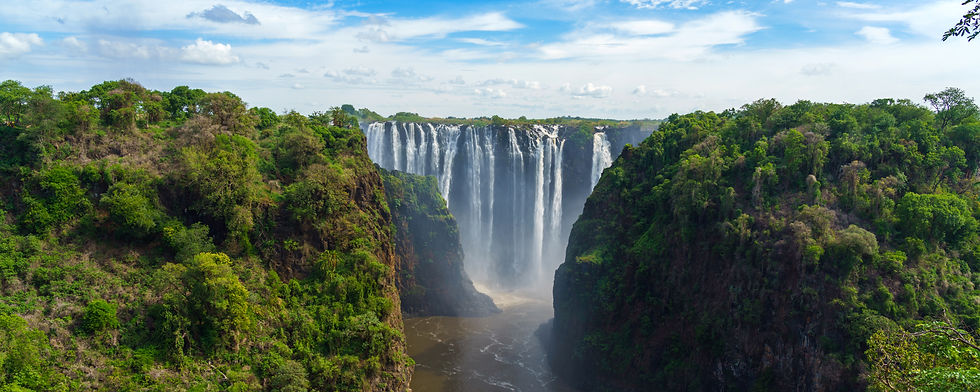
Frequent and amplified weather patterns threaten tourism and the financial benefits that come from the tourism sector. In December of 2022, UNESCO reported that the Intergovernmental Panel on Climate Change’s Sixth Assessment Report found African heritage sites, particularly, are ‘neither prepared for nor adapted to future climate change.’ Tourism is an essential sector that contributes to major African economies. Unsurprisingly, individuals from around the globe come to Zambia and Zimbabwe to see the waterfall wonder known as Victoria Falls, also called Mosi-oa-Tunya.
The mist that hovers over endless water dropping into one of Africa’s largest rivers is a sight worthy of everyone’s bucket list. This site is significant because of Zimbabwe and Zambia’s two million years of water flow. Shorter periods of rainfall and warmer temperatures threaten this sub-Saharan African treasure. Hotter temperatures and drought will harm the ecosystems that depend on its flow. These threats can pose a danger to a visitor’s overall experience and an economic threat to the owners of lodges, hotels, and tourism guides who rely on visitors to this landmark.

There is a significant push for the importance of the continent not being left behind when it comes to artificial intelligence (AI) and sustainable technological transformation expressed in social media and research think tanks. This is without a doubt valuable, but failure to bring awareness about the value of traditional knowledge and the concerns around how to maintain and renovate African cultural landmarks, leaves out an opportunity for the younger generations to marry their tech-based careers and skills with modern cost-effective ways to conserve WHS and intangible cultural heritage.
Climate policy measures that would protect WHS while aiding this area of the tourism industry in African nation-states should be at the top of the agendas of multinational meetings and climate-focused agreements. Africa’s sites unite us all, as these sites truly represent human heritage and history. I cannot wait until I can cross these most precious sites off of my travel bucket list. Until next time, Africa!


Comments